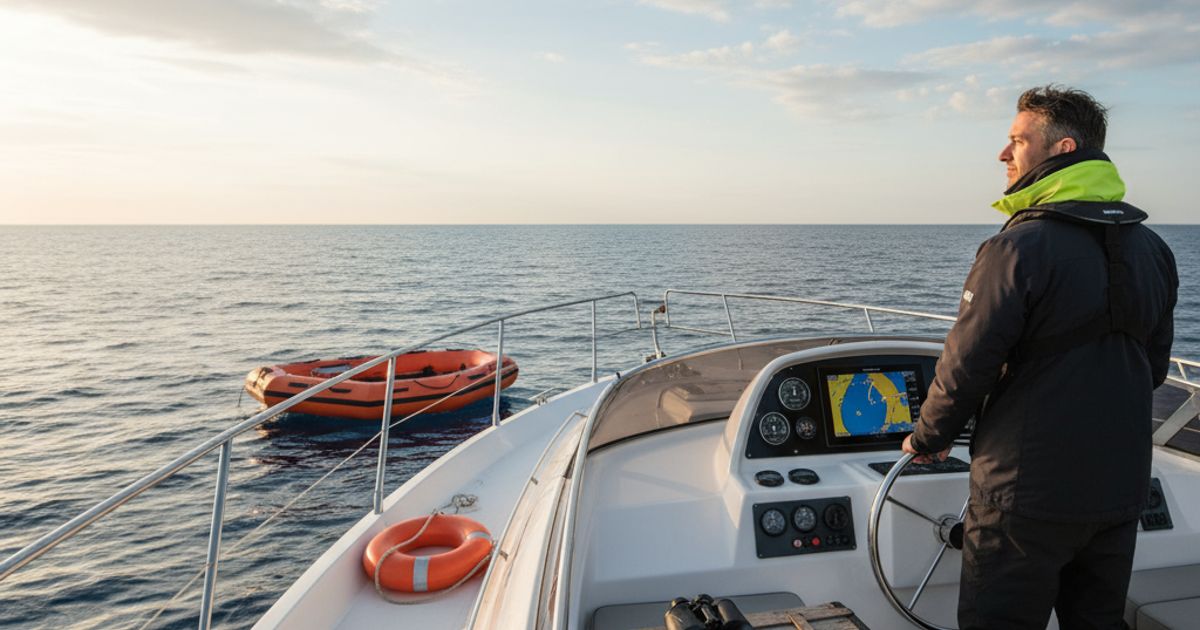
Staying Safe at Sea: Your Ultimate Guide to Boating Safety
The allure of the open water is undeniable – the shimmering sun, the gentle sway of the waves, and the freedom that only a boat can offer. Whether you're an experienced mariner or a weekend enthusiast, remembering 'Sicurezza in mare' – safety at sea – is paramount. A wonderful day on the water can quickly turn into a dangerous situation if proper precautions aren't taken. This comprehensive guide will equip you with the knowledge and tools to ensure your boating adventures are not only thrilling but also incredibly safe.
The Foundation of Safety: Planning and Preparation
Before you even step foot on your vessel, thorough planning and preparation are your best allies against unforeseen circumstances.
1. Check the Weather Forecast Religiously
Undoubtedly, one of the most critical steps before any outing is to check the marine weather forecast. Understand wind speeds, wave heights, and any potential for storms or significant weather changes. If the forecast is unfavorable, err on the side of caution and postpone your trip. The sea can be unpredictable, and a sudden change in weather can create hazardous conditions very quickly.
2. Equipment Check: Is Everything in Order?
- Life Jackets (Personal Flotation Devices - PFDs): Ensure you have enough Coast Guard-approved life jackets for every person on board, including children, and that they are easily accessible and in good condition. Consider fitting them before departure.
- Navigation Lights & Sound Signals: Verify that all navigation lights are working correctly. Have a horn or whistle readily available for signaling.
- Fire Extinguisher: Check the pressure gauge and ensure it's charged and easily accessible.
- Bailing Device and Emergency Pump: A bucket or manual pump can be critical in managing unexpected water ingress.
- First-Aid Kit: A well-stocked first-aid kit is a must for treating minor injuries and addressing sea sickness.
- Anchor and Rode: Ensure your anchor is properly stored and the rode (rope/chain) is in good condition and of sufficient length.
- Fenders and Dock Lines: Essential for safe docking.
- Emergency Kill Switch: For powerboats, ensure your engine's kill switch lanyard is always attached to the operator.
3. File a Float Plan
Before you leave, inform a responsible person ashore of your boating plans. Provide details such as your departure point, destination, estimated return time, and the number of people on board. If you deviate from your plan, notify them. This simple step can be life-saving if you encounter problems and need assistance.
Onboard Safety: Rules and Best Practices
Once you're on the water, adhering to certain rules and best practices will minimize risks.
1. Operate Soberly and Responsibly
Operating a boat under the influence of alcohol or drugs is not only illegal but extremely dangerous. Alcohol impairs judgment, slows reaction times, and exaggerates the effects of environmental stressors like sun and motion. Assign a designated sober operator if carrying alcohol on board.
2. Maintain a Safe Speed and Keep a Lookout
Always operate your boat at a safe speed, proportionate to the conditions (visibility, congestion, weather). Maintain a constant and vigilant lookout for other vessels, swimmers, hazards, and potential dangers. The rule of 'see and be seen' is fundamental.
3. Understand Navigation Rules (Rules of the Road)
Just like driving a car, there are specific navigation rules (COLREGs) that govern safe passage on the water. Learn and adhere to these rules regarding right-of-way, signaling, and passing other vessels to prevent collisions.
4. Distribute Weight Evenly
Proper weight distribution is crucial for stability, especially in smaller boats. Avoid congregating on one side and ensure passengers are seated in designated areas. Sudden shifts in weight can destabilize a boat and lead to capsizing.
5. Be Wary of Carbon Monoxide (CO)
Invisible and odorless, carbon monoxide can be deadly. Ensure proper ventilation around engines and generators. Be aware of the signs of CO poisoning (headache, dizziness, nausea) and take immediate action if suspected.
Emergency Preparedness: What to Do When Things Go Wrong
Despite all precautions, emergencies can still happen. Being prepared to respond effectively is vital.
1. Know Your Communications Equipment
- VHF Radio: A marine VHF radio is your primary means of communication at sea. Learn how to use it, especially Channel 16 for emergencies.
- Mobile Phone: While useful, mobile phones are not always reliable on the water due to coverage limitations and battery life. Use it as a backup.
- EPIRB/PLB: An Emergency Position-Indicating Radio Beacon (EPIRB) or Personal Locator Beacon (PLB) sends distress signals to rescue authorities with your location coordinates.
2. Man Overboard Procedure
Every crew member should know the 'man overboard' procedure. Immediately throw a flotation device towards the person, keep sight of them, activate the MOB button on your GPS (if available), and precisely execute your recovery plan.
3. Basic Troubleshooting Skills
Know how to perform basic engine checks, identify common problems, and address minor issues like a fouled propeller or a dead battery. Carrying basic tools and spare parts can save you from being stranded.
4. Practice Fire Safety
Understand how to use your fire extinguisher. Know the location of fuel cut-offs and be prepared to shut down engines and ventilate compartments if a fire breaks out.
Continuous Learning: The Key to Safer Boating
Boating safety is an ongoing learning process. Consider taking a certified boating safety course; many organizations offer them and they cover a wide range of essential topics. Stay updated on new regulations and technologies. The more knowledgeable you are, the safer you and your passengers will be.
By prioritizing 'Sicurezza in mare' – safety at sea – you're not just protecting yourself, but everyone on board. Thoughtful preparation, adherence to regulations, and a proactive approach to potential hazards will ensure that your time on the water remains a source of joy and relaxation for years to come.